

Essential Oil & Gas Equipment for Onshore vs Offshore Operations in UAE.
- Home
- Industry Insights & Guides on Oil Field Equipment in Dubai
- Essential Oil & Gas Equipment for Onshore vs Offshore Operations in UAE.
1. Onshore Operations in UAE – Equipment & Environment
In the UAE, oil & gas operations span both on-land (onshore) and marine (offshore) environments. While both types aim to extract hydrocarbons, the equipment, logistics, hazard conditions and regulatory requirements vary significantly. Whether you’re sourcing drilling rigs, blow-out preventers (BOPs), well-head systems or ancillary equipment, understanding these differences is crucial. In this article, we outline what equipment is essential for onshore vs offshore operations in the UAE, with a view to helping you select a capable supplier and guarantee project success.
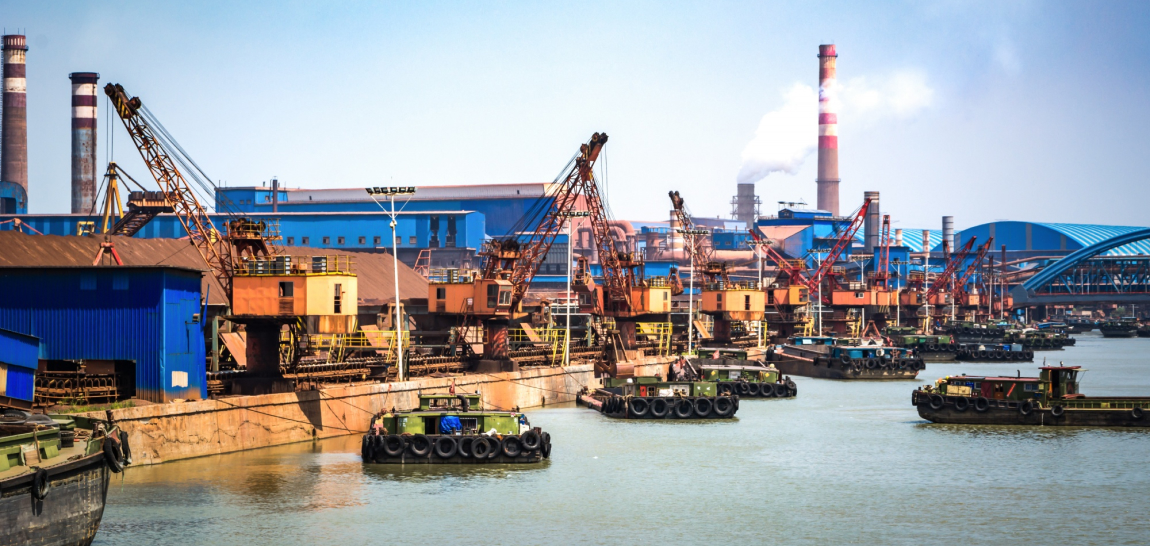
What “onshore” means
Onshore oil & gas refers to operations conducted on land rather than at sea. Because infrastructure is typically more accessible, logistics and setup are comparatively simpler.
Key equipment for onshore operations
- Drilling rigs (land rigs) – mobile or fixed, for vertical/horizontal wells.
- Well-head systems – valves, tubing heads, casing heads.
- Blow-out preventers (BOPs) – though less complex than deep subsea versions, they still must handle formation kicks and well-control.
- Production & processing equipment – separators, storage tanks, pipelines.
- Support & safety systems – access roads, camps, power supply, emergency response.
- Environmental mitigation equipment – soil containment, groundwater monitoring, emissions control.
Typical challenges & requirements
- Easier logistics compared to offshore, but still strict compliance for land use, local communities and environment.
- Equipment must be robust but the marine-hazard load (salt spray, waves) is lower than offshore.
- Supplier must ensure adherence to UAE land-operations regulation, local standards.
2. Offshore Operations in UAE – Equipment & Environment
What “offshore” means
Key equipment for offshore operations
- Offshore drilling rigs/platforms – jack-up rigs, semi-submersibles, drillships depending on water depth and seabed conditions.
- Subsea systems – risers, pipelines, subsea wellheads, manifolds.
- Blow-out preventers (BOPs) – often more advanced, designed for high pressures, deep water, enhanced safety.
- Well-head & Christmas tree systems – engineered for marine environment, remote controls, high pressure.
- Corrosion resistant materials & coatings – because of saltwater exposure, wave and current load.
- Logistics & safety equipment – helicopter or vessel transport, live-aboard crews, emergency evacuation systems.
- Environmental protection systems – oil spill containment, remote monitoring, marine life protection.
Typical challenges & requirements
- Higher cost, more complex logistics, extreme environments (waves, salt, depth).
- Equipment must be designed for marine hazards: high pressure, remote access, extreme conditions.
- Compliance with maritime regulations, offshore safety standards, environmental risk of oil spill is much higher.
- Maintenance is more challenging: access often by vessel/helicopter, downtime has higher cost.
3. Onshore vs Offshore – Equipment & Operational Comparison
| Feature | Onshore | Offshore |
|---|---|---|
| Accessibility & logistics | Easier access, roads, near infrastructure | Remote location, often by boat/heli, complex logistics |
| Cost of equipment & operation | Lower equipment/transport cost | Much higher cost due to marine environment & risk |
| Environmental/hazard conditions | Land-based issues: soil, groundwater, air quality | Marine hazards: waves, storms, oil spills, seabed equipment failure |
| Equipment complexity | Standard rigs and well systems | Advanced rigs, subsea systems, high-pressure/remote control equipment |
| Maintenance & downtime impact | Easier servicing, closer to base | More difficult to service, high cost for downtime |
| Regulation & safety focus | Land-based regulation, local communities | More stringent marine/offshore regulation, global standards |
This comparison helps clarify why certain equipment required for offshore operations has specifications and features that go beyond standard on-land rigs or well systems.
4. What This Means for Equipment Suppliers in Dubai & UAE
For a company sourcing equipment in the UAE — whether for onshore or offshore projects — choosing the right supplier is critical. Here are key considerations:
-
- Supplier must understand the environment: If you’re servicing offshore operations, a supplier must be experienced in marine-grade equipment and offshore hazards (corrosion, wave load, subsea control).
- Certification & standards: Offshore equipment often requires higher ratings (pressure, corrosion resistance, dynamic loads).
- Logistics & support: For offshore, supplier must handle marine logistics, remote site installation, and maintenance; for onshore, roads/transport might suffice but still need quick support.
- Safety & environmental readiness: In UAE, both onshore & offshore operations are under tight regulation – but offshore has added risks (spill containment, marine life impact).
- Durability & downtime: The more remote the site (especially offshore), the more expensive downtime is. Equipment must be reliable and serviceable.
5. Equipment Checklist for Onshore vs Offshore (UAE)
Onshore Checklist:
-
- Land-rig rated for local soil/terrain conditions
- Standard BOP stack suitable for land wells
- Well-head systems for land production
- Pipeline & storage ready for land environment
- Environmental mitigation for land use
- Marine-rated drilling rig/platform for UAE waters
- Subsea well‐head and riser systems
- High-pressure BOP stack designed for offshore operations
- Corrosion-resistant materials & coatings
- Oil spill containment, remote monitoring, marine safety systems
Conclusion
Whether you are engaged in on-land or sea-based oil & gas extraction in the UAE, the type of equipment you use and the supplier you partner with make all the difference. Onshore and offshore operations present distinct challenges – from environmental hazards and logistics to equipment complexity and maintenance demands. Equipping yourself with the right knowledge ensures your project stays safe, compliant and cost-effective.
If you’re looking for a supplier who understands both onshore and offshore oil & gas equipment needs in the UAE, trust SanTrade UAE. With certified equipment, marine-grade capabilities and local support in Dubai and across the UAE, we help you source the right solutions for your project.